Why Homeowners Rely on Local Garage Door Repairs in New Jersey
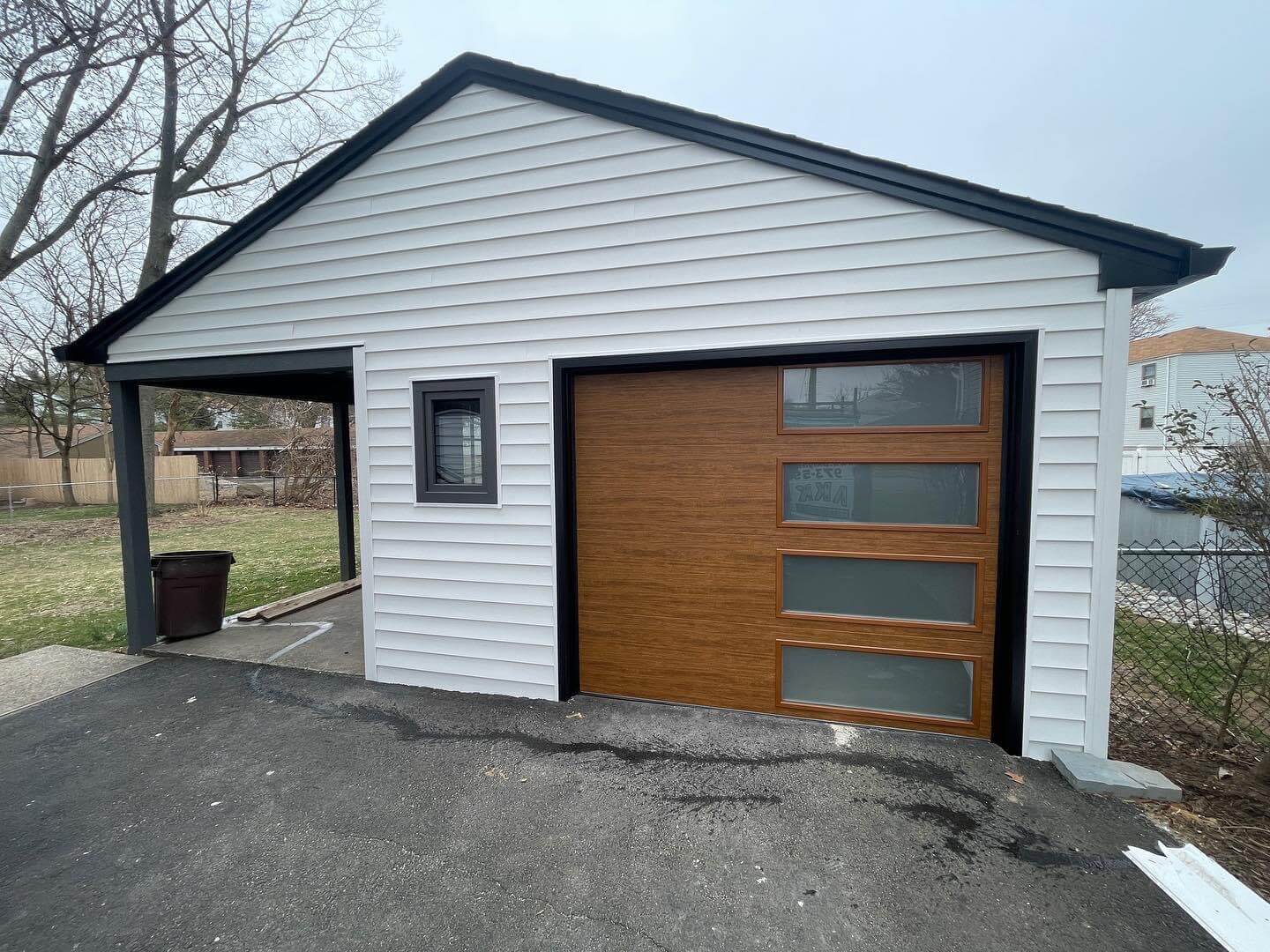
For many New Jersey homeowners, the garage door is not a minor convenience. It is the largest moving part of the house, a daily access point, a security barrier, and in many cases a shield against weather that can turn rough fast. When that door sticks halfway in January, slams shut in August, or starts grinding the week a family leaves for vacation, the problem feels immediate. It affects schedules, safety, and peace of mind all at once.
That urgency explains why so many people turn to local companies for Garage Door Repairs in New Jersey instead of gambling on a distant call center or waiting days for a regional chain to fit them into a route. Local service is not just about proximity. It is about familiarity with the homes, the climate, the common failure points, and the practical realities of living in this state. A technician who works in Bergen County all week sees different patterns than one handling shore properties in Monmouth or Cape May. The parts wear differently. The timelines matter differently. Even the advice tends to be more grounded.
Homeowners rarely think about their garage door when it works. The moment it stops working, experience matters.
New Jersey homes put garage doors through real stress
Garage doors in New Jersey deal with four true seasons, and each one can create its own repair issues. Cold snaps tighten metal components and expose tired springs. Summer humidity swells weather seals and can worsen sensor misalignment if tracks have already shifted. Along the coast, salt in the air speeds up corrosion on hinges, rollers, cables, and brackets. Inland, freeze-thaw cycles can affect garage floors and subtly change how the door sits in the opening.
That range of conditions is one reason local Garage Door Repairs tend to be more accurate from the first visit. An experienced technician from the area usually does not need a long explanation of why the bottom seal has hardened, why the track brackets have started rusting earlier than expected, or why a wood overlay door is dragging slightly after a wet spring. They have seen the same pattern house after house.
Older housing stock matters too. Across New Jersey, there are neighborhoods with homes built in the 1950s, 1960s, and 1970s sitting alongside recent construction. Older garages often have quirks that only show up during service calls. The opening may be slightly out of square. The framing may have shifted over time. The opener may have been replaced once or twice while the original door hardware stayed in place. On paper, the repair sounds simple. On site, the job demands judgment.
A homeowner in Union County might call because the opener hums but the door barely moves. A national dispatcher may label that as an opener problem. A local technician arrives, checks spring balance first, and finds a fatigued torsion spring carrying far more load than it should. That diagnosis changes the repair entirely, and it prevents the customer from paying for the wrong fix.
Fast response matters more than people realize
A broken garage door can trap a car inside, leave tools and bikes exposed, or keep the door open overnight in a visible way that makes homeowners uneasy. In attached garages, it can also affect home security directly because that entry point often leads into a mudroom, kitchen, or lower hallway. When the problem happens before work or during a storm, waiting two or three days feels unreasonable.
This is where local service earns trust quickly. A company based nearby can often offer same-day or next-day Garage Door Repairs, especially for common failures like broken springs, snapped cables, off-track rollers, sensor issues, or worn-out opener gears. They know the road patterns, the parking challenges, and how to route calls efficiently. In a state where traffic can stretch a short drive into a long one, that local advantage is practical, not cosmetic.
I have seen homeowners assume a garage door issue can wait because the door still opens with force. That is usually a mistake. A door that is out of balance puts extra strain on the opener and can turn a moderate repair into a more expensive one within days. A cable that has started fraying rarely gets better with time. A bent track can turn into roller damage, panel strain, or a full derailment if the system keeps operating.
Local technicians also tend to carry the parts that fail most often in the area. Standard torsion springs, bottom brackets, safety sensors, rollers, hinges, weather seals, remotes, and common opener components are more likely to be in the truck. That reduces the chances of hearing, “We need to order something and come back next week.”
Homeowners want diagnosis, not guesswork
People call for Garage Door Repairs because they want the issue solved, not temporarily patched. That sounds obvious, but there is a real difference between a company that sends someone to inspect the whole system and one that swaps a visible part without addressing the underlying cause.
A garage door system works as a chain. Springs, cables, drums, tracks, rollers, hinges, panels, sensors, and opener settings all affect one another. When one part fails, it often signals wear elsewhere. Replacing a spring without checking cable condition, bearing wear, door balance, and opener force settings is incomplete work. A local company that depends on repeat business and neighborhood reputation is usually more careful about the full picture.
That reputation factor matters in New Jersey. Many homeowners hire based on what a neighbor, local parent group, or town forum recommends. A company that leaves a door noisy, shaky, or only half-corrected gets found out quickly. On the other hand, a technician who takes ten extra minutes to align the tracks properly, lubricate the key pivot points, and explain why the left cable wore faster than the right often gets remembered and referred.
There is also a practical communication advantage. Local companies tend to explain repairs in plain terms because their customer base is not one anonymous service region. It is the next town over. Homeowners appreciate hearing, “The spring cycle life is spent, the rollers are worn flat on one side, and your opener is compensating too hard,” instead of a vague recommendation to replace everything.
New Jersey weather changes the maintenance equation
In milder climates, homeowners can sometimes stretch maintenance a little longer without immediate consequences. New Jersey is less forgiving. Winter ice, summer heat, and wind-driven rain expose weak points quickly. If the bottom seal has gaps, cold air and moisture get in. If the door is slightly misaligned, temperature swings can make the movement rougher. If the rollers are cheap or aging, the system gets louder and less stable when lubrication dries out.
Coastal areas add another layer. Corrosion near the Shore is not theoretical. Metal components can degrade faster, especially when garages are used heavily and remain damp from beach gear, snow melt, or repeated vehicle traffic. Stainless options and better-coated hardware may cost more upfront, but they often make sense there. A local repair company understands when that upgrade is worthwhile and when a standard replacement is perfectly adequate.
The same goes for insulation and weather sealing. Not every garage in New Jersey needs a premium insulated door, but many homeowners benefit from proper perimeter sealing and an adjusted bottom gasket, especially if the garage is attached or there is living space above it. A local technician sees those home layouts every day and can recommend the repair or replacement that fits actual use, not a scripted sales target.
Safety is a larger part of the decision than homeowners expect
Some garage door problems look simple from the outside. The door is crooked. The remote stopped working. One side seems lower than the other. That can tempt homeowners to try a quick fix or call the cheapest option available. The issue is that garage doors carry considerable stored energy, particularly in the spring system. Mishandling torsion components, bottom brackets, or cables can cause severe injury.
That is another reason local Garage Door Repairs in New Jersey remain the first call for many households. People want someone who can arrive, secure the door, diagnose the fault, and repair it without turning a stressful morning into an accident. Good local companies also know when not to force a repair. If a panel is badly cracked, the track is twisted, or the opener rail has been damaged by repeated strain, an honest technician will say so.
The safer route is not always the cheaper route in the moment, but homeowners usually understand the value once the system is explained. A door that weighs between roughly 130 and 250 pounds, depending on size and material, is not a place for improvisation.
Here are some signs the problem deserves prompt professional attention:
- The door opens unevenly or one side lags behind the other.
- You hear a loud bang from the garage and the door suddenly feels heavy.
- The opener strains, hums, or reverses without a clear obstruction.
- Cables look frayed, loose, or off the drum.
- The door jerks, shakes, or slips off the track during travel.
Those symptoms often point to spring failure, cable wear, balance problems, or track damage. None should be ignored.
Local technicians know the difference between repair and replacement
One of the strongest reasons homeowners prefer local companies is that they want honest guidance. Not every noisy or aging door needs full replacement. At the same time, some systems are so worn, patched, or outdated that repeated repair becomes false economy.
That judgment call depends on several details. How old is the door? Are replacement panels still available? Is the steel rusting through or only showing surface wear? Did the opener fail because it is old, or because the door has been out of balance for months? Is the hardware low quality, or just overdue for normal service?
A good local technician walks through those questions without pressure. In many cases, Garage Door Repairs make clear financial sense. Replacing springs, rollers, cables, hinges, seals, or safety sensors can restore reliable function at a fraction of the cost of a new door. On the other hand, if a wooden door has water damage, multiple cracked sections, and obsolete hardware, replacement may save money over the next few years.
This is where lived experience matters. Homeowners can tell when someone is diagnosing based on condition versus reading from a sales script. A local company that expects future referrals usually plays the long game. It is better business to earn trust with a fair repair today than to oversell a replacement and lose the neighborhood tomorrow.
Familiarity with local building patterns makes repairs smoother
New Jersey neighborhoods often share design traits by era and builder. That affects garage doors more than many people realize. Certain subdivisions have similar opening sizes, framing tolerances, and door styles. Some older detached garages have low headroom that limits spring setup options. Some newer developments favor heavier insulated steel doors that need stronger hardware and careful opener calibration.
A local repair team learns these patterns over years of fieldwork. They know which towns have more carriage-style overlays, which areas still have older extension spring setups, and where garages are more prone to slab settling. That familiarity speeds up troubleshooting and helps with parts selection.
It also helps with practical installation decisions. If a garage has limited side room, a standard hardware solution may not fit well. If the ceiling is low and storage racks crowd the opener path, repair work needs to account for clearance. Those site-specific choices are easier when the technician has handled similar homes nearby dozens of times.
Reputation travels fast in New Jersey
Trust in home services is local by nature. People ask neighbors, contractors, and family members who they use. They search town-specific reviews. They notice which service vehicles keep appearing on the block. This dynamic strongly favors companies that consistently deliver competent Garage Door Repairs and stand behind their work.
When homeowners hire local, they often feel there is more accountability. If a spring replacement fails early, the company is close enough to return without friction. If the opener settings need a follow-up adjustment after a repair, it is not treated like a special exception. That confidence matters because garage door systems are mechanical, and occasionally a second visit is part of doing the job right.
There is also a subtle but important difference in how local businesses communicate. They tend to understand that punctuality, courtesy, and clean work areas are part of the service, not extras. Homeowners remember whether the technician arrived within the promised window, explained the issue clearly, and left the garage safer and tidier than before.
Price matters, but value matters more
Everyone compares price. That is normal. But with Garage Door Repairs, the lowest estimate is not always the lowest cost over time. A bargain spring that is not matched properly to the door weight may wear out early or strain the opener. Cheap rollers can keep the noise down for a while but fail under frequent daily use. A rushed cable replacement without correcting drum alignment can lead to another service call not long after.
Local companies often win not because they are the cheapest, but because they offer better value. That might mean using higher-cycle springs for households where the garage door serves as the main entrance. It might mean recommending nylon rollers for quieter operation in an attached garage. It might mean telling the homeowner that the opener is still fine and only the safety eyes need repositioning.
Those details add up. The best repair is the one that restores smooth, safe operation and stays fixed through weather changes, school routines, work commutes, and holiday travel.
For homeowners comparing providers, https://tysonfefp650.iamarrows.com/garage-door-repairs-in-new-jersey-for-broken-springs-and-cables these questions help separate solid companies from risky ones:
- Do they inspect the full system, not just the obvious failed part?
- Will they explain whether repair or replacement makes better sense and why?
- Are parts and labor covered by a clear warranty?
- Do they have experience with your door type, opener brand, and garage layout?
- Can they respond quickly if the issue worsens or needs adjustment?
Short answers, vague pricing, or pressure to commit on the spot usually signal caution.
The human side of garage door service
A lot of trust in local repair work comes down to something simple. Homeowners want to feel that the person at the door understands the disruption they are dealing with. A stuck garage door before a school drop-off, a snapped spring on a freezing morning, or a door that will not close before a weekend away is not just a mechanical failure. It interrupts life.
The best local technicians recognize that. They know when to prioritize securing the opening first, when to recommend temporary precautions, and when to advise a homeowner not to operate the system again until repairs are complete. They also know that not every customer speaks in technical terms. Saying “your left torsion spring is broken and your right spring is near the end of its cycle life” is useful. So is adding, “That is why the door suddenly feels too heavy to lift.”
That blend of technical skill and practical communication is hard to fake. It is often what turns a one-time service call into a long-term customer relationship.
Why local remains the first choice
Homeowners rely on local Garage Door Repairs in New Jersey because the service is rooted in the realities of the state. The weather is demanding. The housing stock is mixed. The stakes are immediate when a door fails. People need quick response, accurate diagnosis, safe work, and advice they can trust.
A local company is more likely to understand how salt air affects hardware at the Shore, how older garages in established towns complicate spring setups, and how traffic and scheduling pressures make same-day service genuinely valuable. Just as important, local providers depend on neighborhood reputation, which tends to sharpen accountability.
Garage doors rarely command attention until something goes wrong. When they do, homeowners are not looking for abstract promises. They want someone nearby who knows the job, knows the area, and can restore order without wasting time. That is why local service continues to win the call.
A.K.K. Garage Doors
Phone number: +19735907183
FAQ About Garage Door Repairs in New Jersey
What is the average cost of fixing a garage door?
The average cost of fixing a garage door ranges from $150 to $350 for most common repairs, with a typical service call fee of $50 to $75. Total expenses depend heavily on the specific broken part and labor rates, which generally run $75 to $150 per hour.
What is the most common garage door repair?
The most common garage door repair is replacing broken torsion or extension springs, which wear out after roughly 10,000 to 15,000 cycles (about 7 years) of opening and closing.
Can a handyman fix a garage door?
Yes, a handyman can fix minor garage door issues like sensor realignments, replacing rollers, or weather-stripping, but major repairs involving high-tension springs or cables are dangerous and best left to a specialized garage door technician.